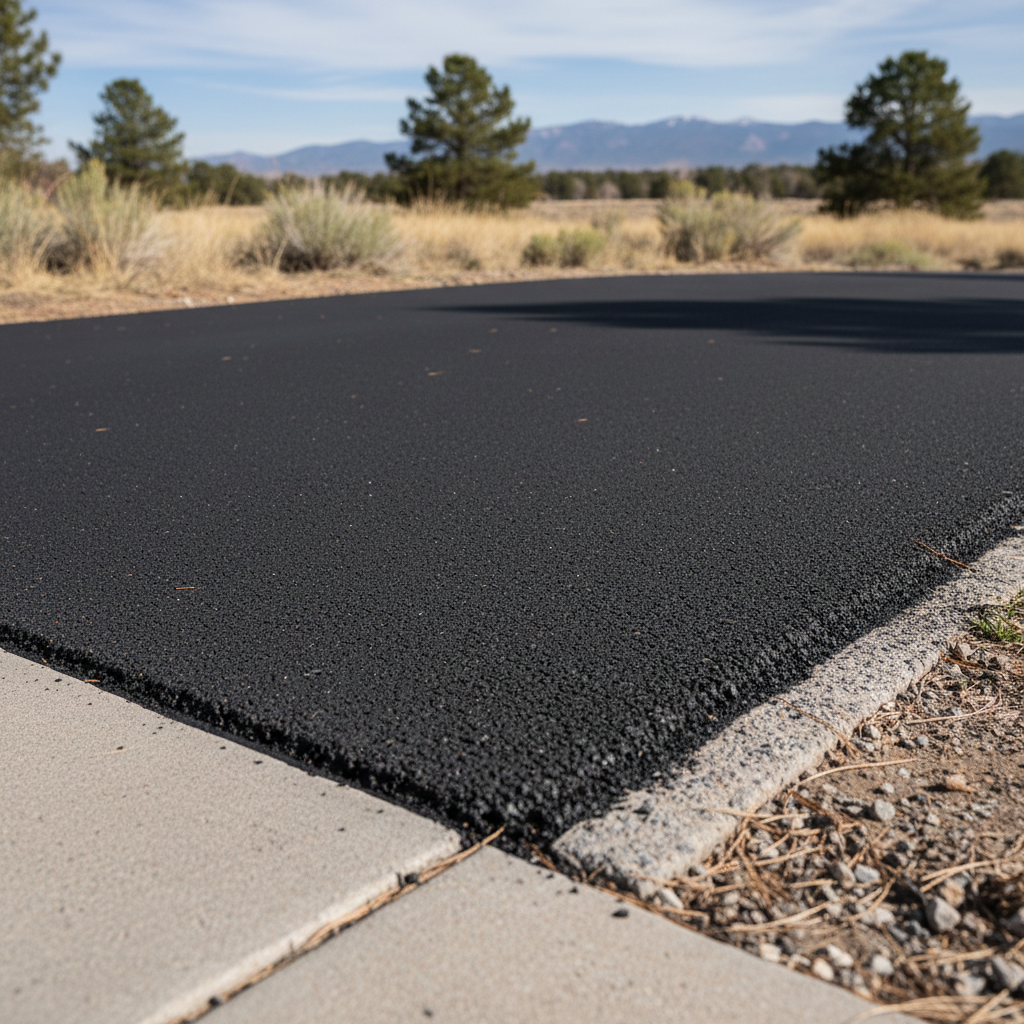
Alright, let's talk about your asphalt driveway. It's a big part of your home's curb appeal and functionality, and you probably wonder what you can do to keep it looking good and lasting long. I get it. As a local contractor, I see folks trying all sorts of things, and some of it's great, some of it's… well, let's just say it's better left to us.
Before the Project: Planning and Prep
So, you're thinking about a new driveway, or maybe a big repair. First thing's first: don't just jump in. This isn't a weekend warrior project for most major asphalt work. You need a plan.
If you're looking at a brand new driveway, or a complete tear-out and replace, that's a professional job, no two ways about it. We're talking heavy equipment, proper grading, compacting the sub-base, and laying hot asphalt at specific temperatures. You can't rent a paver from Home Depot, and frankly, you wouldn't want to. The biggest thing you can do yourself before we even show up is clear the area. Get rid of any old landscaping, debris, or anything that's going to be in the way. Mark out your sprinkler heads if they're close to the edge. That saves everyone time and hassle.
For smaller repairs, like a few cracks or a small pothole, you might be able to DIY. Before you start, clean the area thoroughly. Sweep out all loose debris, dirt, and any vegetation. A pressure washer can help here, but make sure it's completely dry before you apply anything. If it's still damp, whatever you put down won't stick right.
During the Project: What to Expect & What Not to Do
If you've hired a crew like Aurora Asphalt & Paving for a big job, your main role during the project is to stay out of the way and let us work. We'll handle the heavy lifting, the grading, the base prep, and the paving. We're used to the clay soils we often find around Aurora, especially in older neighborhoods like those near Fitzsimons, which can be tricky if not properly compacted. We know how to deal with that to prevent future settling.
For DIY crack filling or pothole repair, here's what you're actually doing: you're cleaning the area, as I said, then applying a cold patch or crack filler. Follow the product instructions exactly. Don't just glob it on. For cracks, you want to fill them from the bottom up, pressing the material in. For potholes, you'll need to compact the cold patch material. You can use a hand tamper, or even drive over it a few times if the product allows. The key is compaction. If you don't compact it well, it'll just break apart again with the first freeze-thaw cycle.
One thing I see people try to DIY that almost always goes wrong is sealcoating. While you can buy buckets of it, getting an even, consistent coat without streaks, puddles, or missing spots is really tough. Plus, knowing when the conditions are right – temperature, humidity, no rain in the forecast – that's crucial. A bad sealcoat job can actually trap moisture, making things worse, or peel off in big sheets. That's usually a job for us, especially if you want it to look good and last.
After the Project: Maintenance & Care
Okay, the new asphalt is down, or you've done your repairs. Now what? This is where your ongoing DIY efforts really pay off. For a brand new driveway, we'll give you specific instructions on how long to stay off it – usually a few days for light traffic, longer for heavy vehicles. Don't park heavy RVs or trailers on fresh asphalt too soon; it needs time to cure and harden.
Regular cleaning is huge. Sweep off leaves, dirt, and debris. Don't let oil or gas spills sit there; they'll eat away at the asphalt. Clean them up immediately with an absorbent material and then a mild detergent. You can use a hose to rinse it off, but don't blast it with a pressure washer too close, especially on older asphalt, as it can damage the surface.
Keep an eye out for small cracks. This is your chance to get ahead of bigger problems. If you see a hairline crack, fill it with a good quality crack filler. It's much easier and cheaper to fill a small crack than to fix a big pothole that forms when water gets into that crack, freezes, expands, and breaks the asphalt apart. That's the freeze-thaw cycle we deal with every winter here in Colorado, and it's brutal on pavement.
Also, trim back any tree roots or vegetation that are growing into or under your driveway. Roots can cause significant damage by lifting and cracking the asphalt over time. And don't let weeds grow through cracks; pull them out and then seal the crack.
So, you can definitely handle the day-to-day cleaning, immediate spill cleanup, and small crack filling. But when it comes to laying new asphalt, major repairs, or getting a professional-grade sealcoat, that's when you call in the experts. We've got the equipment, the experience, and the right materials to make sure your driveway stands up to Aurora's weather for years to come.
```