What exactly is slurry coating, anyway?
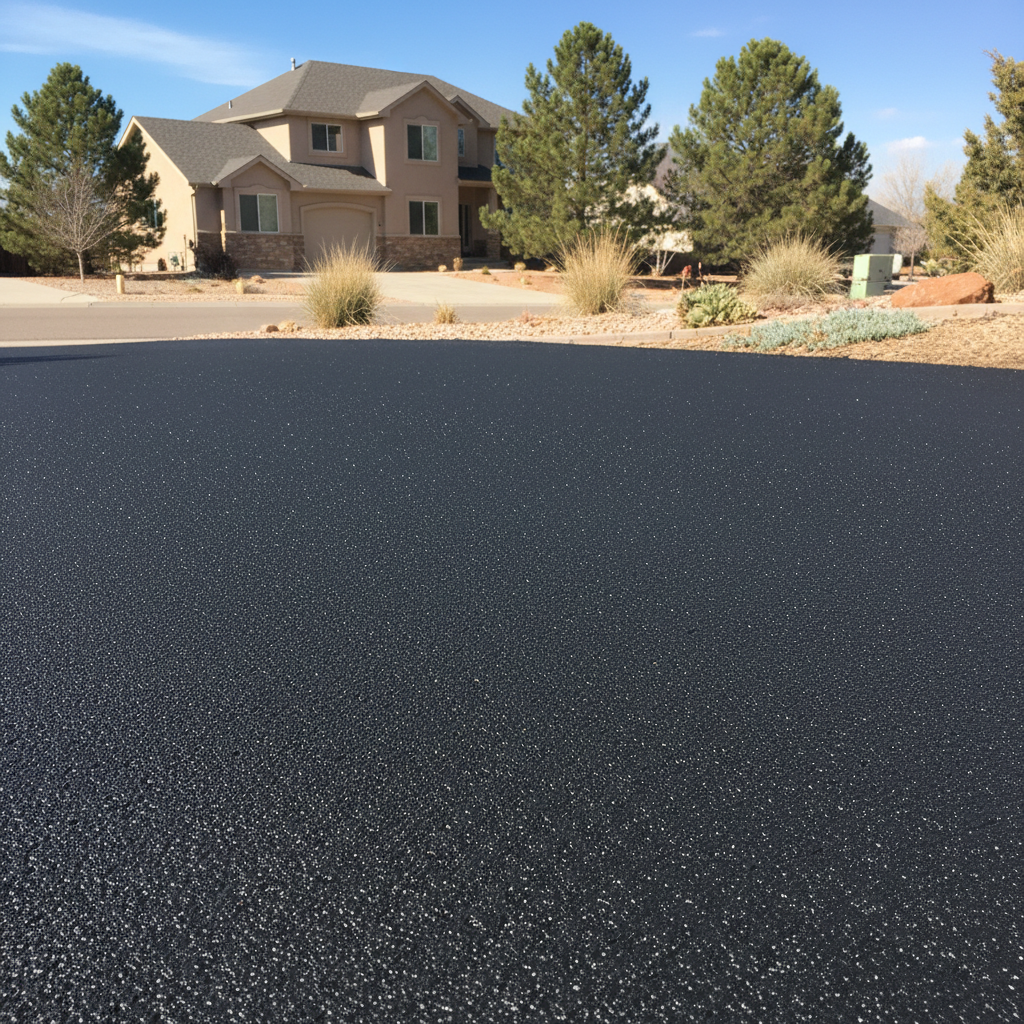
Alright, let's cut to the chase. Slurry coating, sometimes just called a slurry seal, is a thin, protective layer applied over existing asphalt. It's not the same as sealcoating, and that's a big point of confusion for a lot of folks. Think of sealcoat as a paint job for your driveway – it protects and beautifies. Slurry, on the other hand, is more like a very thin, new wearing surface. It's a mixture of asphalt emulsion, aggregate (tiny, fine stones), water, and some additives. When we put it down, it fills in small cracks, evens out minor surface imperfections, and gives your driveway a fresh, uniform black look. It’s a step up from a basic sealcoat in terms of what it can fix and how long it lasts.
How is slurry coating different from sealcoating?
This is probably the most common question I get, and it's a good one. The main difference comes down to the ingredients and what they're designed to do. Sealcoat is primarily an asphalt emulsion designed to protect the existing surface from UV rays, water penetration, and oil spills. It's thin, usually applied in two coats, and doesn't add much structural integrity. It's great for maintenance on a healthy driveway.
Slurry coating, however, includes fine aggregate – those tiny rocks I mentioned. This aggregate gives it more body, better skid resistance, and allows it to fill minor surface defects and hairline cracks more effectively than sealcoat. It's thicker than sealcoat, usually applied in one pass, and provides a new wearing surface. If your driveway has started to show some signs of wear, like slight raveling (where the small stones start coming loose) or a network of fine cracks, slurry coating can be a much better solution than just sealcoating. It's more durable and lasts longer than a typical sealcoat application.
When is the best time to apply slurry coating in Aurora?
Timing is crucial, just like with any asphalt work around here. You can't just slap it down whenever. For slurry coating, you need consistent warm temperatures, typically above 50°F and rising, for at least 24-48 hours after application. The ground temperature matters too. We're looking for dry conditions, no rain in the forecast, and ideally, low humidity helps with the curing process. In Aurora, that usually means late spring, summer, and early fall. We're talking May through September, maybe early October if we get a nice, warm stretch. Trying to do it too late in the season, when those overnight temps start dipping, is just asking for trouble. It won't cure right, and you'll end up with a mess or a job that doesn't last.
How long does a slurry coat typically last on a residential driveway?
If it's applied correctly and you've prepped the surface right, a good slurry coat on a residential driveway can last anywhere from 5 to 7 years. Sometimes even a bit longer, depending on traffic, how well you maintain it, and the initial condition of your asphalt. Compare that to sealcoat, which usually needs reapplying every 2-3 years. The aggregate in the slurry mix gives it that extra durability and wear resistance. Of course, things like heavy vehicle traffic, oil spills, or neglect will shorten its lifespan. But for most homeowners in places like the Tollgate Crossing area, where you've got typical residential use, that 5-7 year range is pretty solid.
Can slurry coating fix all my driveway's problems?
Absolutely not. This is a big one to understand. Slurry coating is fantastic for preventative maintenance and addressing minor surface issues. It fills hairline cracks (up to about 1/8 inch), improves surface texture, and gives a fresh appearance. What it won't do is fix major structural problems. We're talking about deep cracks, potholes, significant rutting, or areas where the asphalt base has failed. If you can see alligator cracking (a network of cracks resembling alligator skin) that's more than just surface deep, or if your driveway has dips and low spots that hold water, a slurry coat isn't the answer. You'd be better off looking at patching, milling, or even full-depth repair or replacement. Think of slurry as a strong skin for a healthy body, not a bandage for a broken bone.
How long before I can drive on my slurry-coated driveway?
Patience is a virtue here, my friend. After we apply a slurry coat, you're usually looking at a minimum of 24 hours before you can drive on it. Sometimes it can be up to 48 hours, especially if it's cooler or more humid. The coating needs to fully cure and harden. Driving on it too soon will create tire marks, scuffs, and can even pull up the fresh material, ruining the finish and compromising its longevity. It's always better to err on the side of caution and give it that extra time. We'll always give you specific instructions based on the conditions on the day we do the work, but plan for at least a full day of no traffic. Aurora Asphalt & Paving always prioritizes a quality finish, and that includes proper curing time.
What kind of prep work is needed before slurry coating?
Good prep work is half the battle, seriously. First, the driveway needs to be thoroughly cleaned. We're talking sweeping, blowing, and often pressure washing to remove all dirt, debris, loose aggregate, and any oil spots. Any existing vegetation growing in cracks needs to be removed. Then, we'll address any larger cracks (anything over 1/8 inch) with a proper crack filler. Potholes or significant depressions need to be patched and allowed to cure. Basically, we want a clean, stable surface with all major defects already repaired. If you skip these steps, the slurry coat won't adhere properly, and you'll be wasting your money. It's like painting a wall without cleaning or patching it first – the new coat just highlights the old problems and won't last.