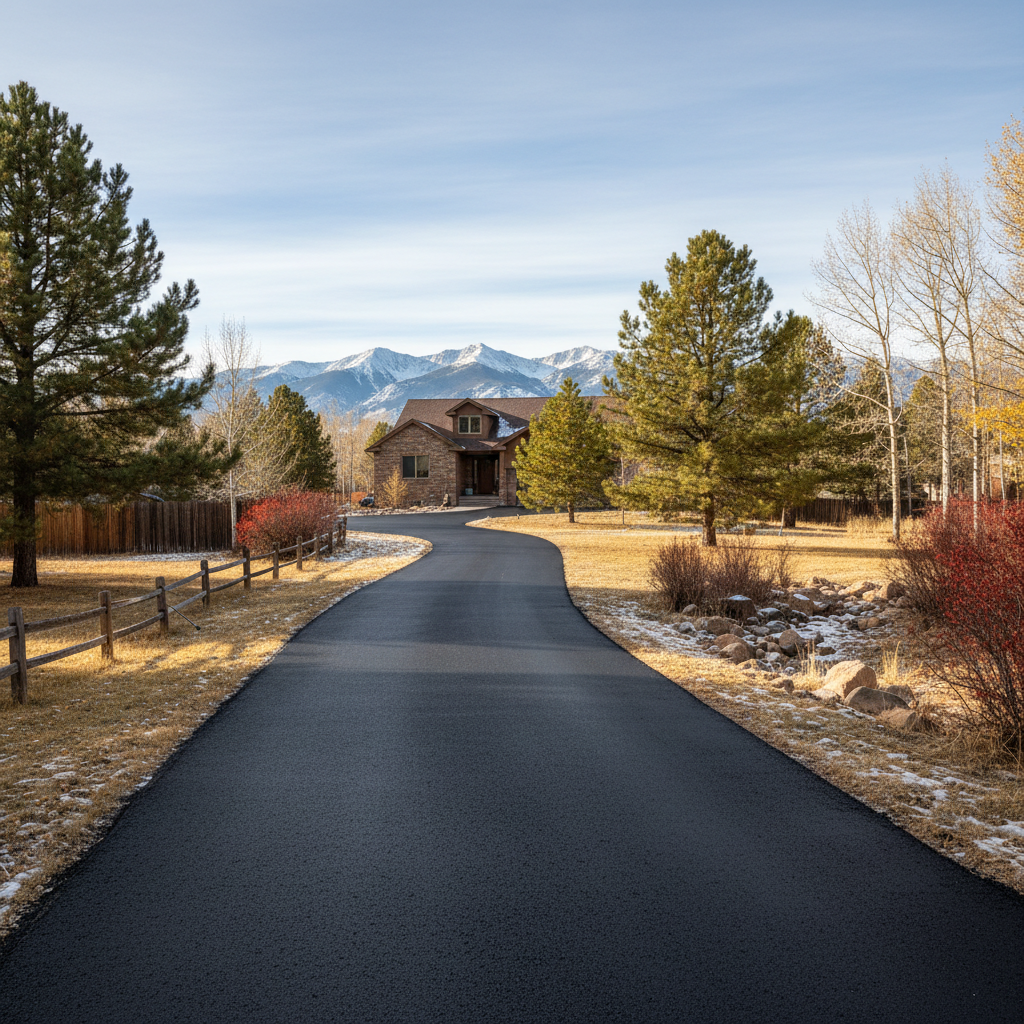
Alright, let's talk slurry coating. You've probably heard it's good for your driveway, and you're absolutely right – it is. It's not just about making your asphalt look sharp, you know; it's really about protecting that big investment from our wild Colorado weather. But here in Aurora, getting the timing and conditions just right is absolutely crucial. You can't just slap it down any old day and expect it to last. I've seen too many folks waste their hard-earned money because they didn't quite get this part.
When's the Best Time to Slurry Coat in Aurora?
Honestly, spring and fall are your sweet spots. Think late April through June, and then again from September through October. Why those times? Well, we need consistent temperatures. Slurry coat has to cure properly, and that means daytime temperatures usually above 50°F, with nighttime lows not dipping too far below that. You're really looking for a good 24-48 hours of those conditions after we finish applying it.
Trying to do it in the dead of summer, especially July and August, can be pretty tricky. It just gets too hot, too fast, and the material can flash dry. That means it dries on the surface before it's fully cured underneath. And what happens then? Cracking, mostly, and a much shorter lifespan for your driveway. Plus, our afternoon thunderstorms can pop up out of nowhere, can't they? Nobody wants their fresh slurry coat washed away.
Winter? Forget about it entirely. The ground's too cold, the air's too cold, and you're just asking for trouble. The material won't bond correctly, and you'll be redoing it sooner than you think. I've seen driveways in places like Tollgate Crossing that were done too late in the season, and they just don't hold up worth a darn.
Weather Conditions That Make or Break the Job
Beyond just temperature, there are a few other things we're always keeping an eye on when we schedule a slurry coating job:
- No Rain, Please: This one's a no-brainer. Slurry coat needs to dry without getting wet. We're looking for at least 24 hours of clear skies after we put it down. If there's even a 30% chance of rain, we're probably rescheduling. It's just not worth the risk, plain and simple.
- Low Humidity is Your Friend: High humidity really slows down the drying process. If it's too humid, it'll take longer to cure, leaving it vulnerable for a longer stretch of time.
- Wind Can Be a Foe: A little breeze is fine, even helpful for drying. But strong winds? They can blow dust and debris right onto your wet driveway, embedding it into the fresh surface. Not ideal for a smooth finish, is it? Plus, it can cause uneven drying.
- Sunlight Helps, But Not Too Much: Direct sunlight definitely helps the curing process, but intense, scorching sun can cause that flash drying I mentioned earlier. A partly cloudy day with moderate temperatures is often just perfect.
When you call Aurora Asphalt & Paving, we're not just looking at the day you want it done; we're checking the forecast for the next 48 hours minimum. It's all about making sure you get the best possible outcome for your driveway.
Protecting Your Investment Year-Round
Once your driveway is slurry coated, you've done a great job protecting it. But the work isn't entirely over. Here's how to keep it looking good and lasting long:
- Keep it Clean: Sweep off dirt, leaves, and debris regularly. Don't let oil or gas spills sit there; clean them up quickly with a mild detergent and water. Those chemicals can really break down the asphalt over time.
- Watch for Heavy Loads: Try to avoid parking heavy RVs or commercial vehicles on your driveway for extended periods, especially during hot weather. The weight can cause indentations or cracking, believe it or not.
- Edge Control: Keep vegetation from growing into the edges of your driveway. Roots can cause cracks and undermine the base.
- Snow Removal Smarts: When shoveling or plowing, try to lift your shovel or blade slightly to avoid scraping the surface. Metal edges can gouge the slurry coat. And go easy on the de-icers. While some are fine, excessive use of harsh chemicals can be detrimental. Sand is a good, gentler alternative for traction.
- Reapply When Needed: Slurry coating isn't a one-and-done deal for life. Depending on traffic, weather exposure, and the initial condition of your asphalt, you'll typically want to reapply every 2-5 years. Keep an eye out for fading color, minor surface cracks, or a dull appearance – those are usually signs it's time to think about another coat.
Taking these steps will help your slurry coat do its job for years, keeping your Aurora driveway looking sharp and protected from our harsh freeze-thaw cycles and intense summer sun. It's all about being smart with your maintenance, wouldn't you say?