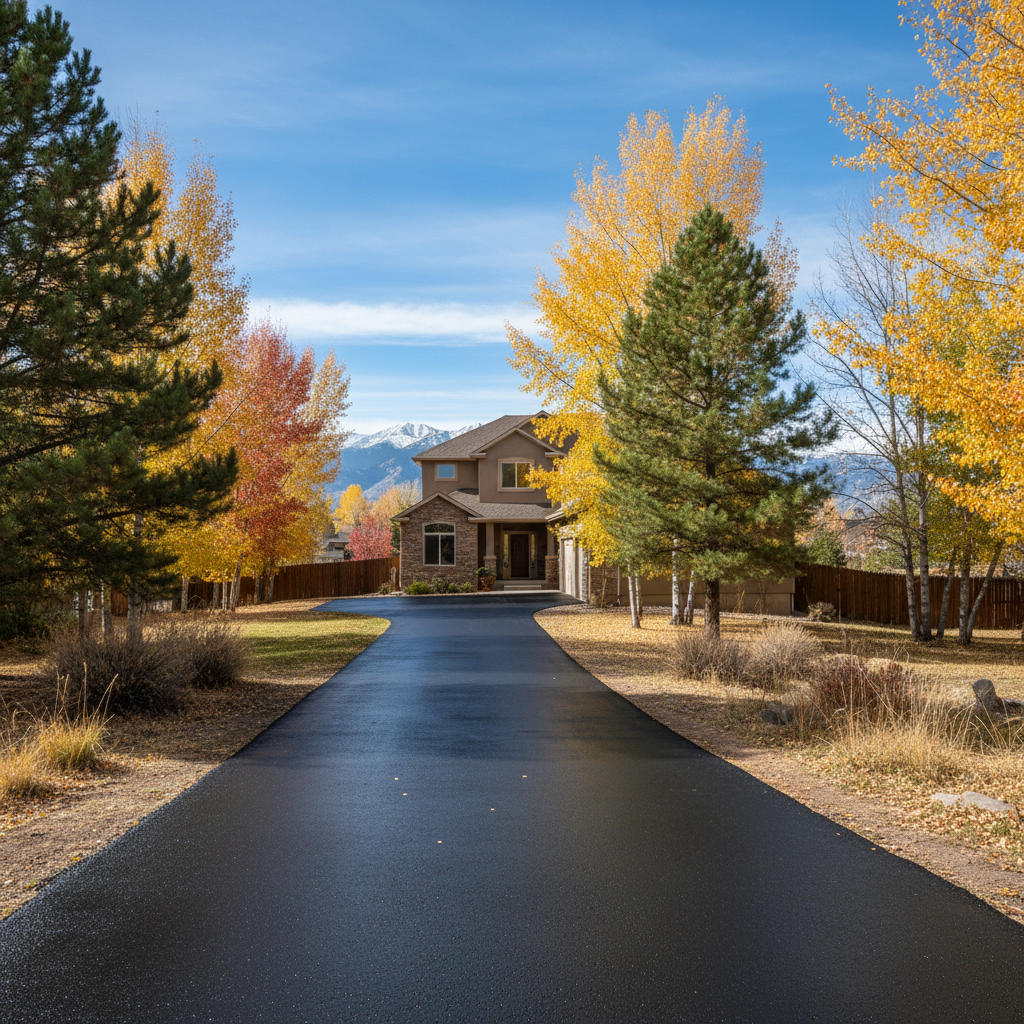
You want your driveway to last, right? Of course you do. And if you've got an asphalt driveway, sealcoating is one of the best ways to protect that investment. But here in Aurora, it's not just about getting it done; it's about getting it done right, and that means paying close attention to the clock and the calendar.
When to Schedule Your Sealcoat in Aurora
Let's cut to the chase: the ideal window for sealcoating in Aurora is usually from late April through early October. Why then? Because you need consistent warm temperatures. Sealcoat isn't like paint you can just slap on anytime. It needs to cure properly, and that takes heat.
Think about it: the product needs to bond with your asphalt, and cold temperatures slow that process down, sometimes even stopping it completely. If it gets too cold too fast after application, you're looking at a weaker, less durable finish that won't give you the protection you paid for. We're talking about daytime temps consistently above 50°F, and ideally, nighttime lows shouldn't dip below 40°F for at least 24-48 hours after application. Here in Aurora, with our unpredictable spring snows and early fall chills, that window can sometimes feel a bit tight. That's why booking early in the season is always a smart move.
Weather Conditions That Really Matter
Beyond just temperature, there are a few other weather factors that can make or break a sealcoating job:
- Rain: This is a big one. You absolutely cannot sealcoat over wet asphalt, and it can't rain for at least 24 hours after application. If rain is in the forecast, even a small chance, we're rescheduling. It's just not worth the risk of washing away your investment or getting a patchy, uneven finish.
- Humidity: High humidity can slow down the drying process significantly. While it's not usually a deal-breaker like rain, it means we might need a longer dry time before you can drive on it.
- Wind: A little breeze is fine, even helpful for drying. But strong winds? They can blow debris onto the wet sealcoat, making for a rough finish. They can also cause the product to dry too quickly in some spots and not others, leading to an uneven cure. Plus, it makes it harder to apply the product smoothly and consistently.
- Direct Sunlight: This is generally good! Sun helps with curing. However, extremely hot, direct sun on a super-hot day can sometimes cause the sealcoat to dry too fast on the surface, trapping moisture underneath. A good contractor knows how to work with this, maybe by slightly adjusting the mix or working in smaller sections.
Our crazy Colorado weather, especially the afternoon thunderstorms that pop up out of nowhere, means we're always keeping a close eye on the forecast. It's not uncommon for us to call you the day before to confirm or adjust if the weather looks iffy. We'd rather reschedule than give you a subpar job.
Protecting Your Investment Year-Round
Once your driveway is sealcoated, you've done a great job protecting it. But the work doesn't stop there. Here's how to keep that asphalt looking good and lasting long:
- Keep it Clean: Sweep off dirt, leaves, and debris regularly. This prevents organic matter from breaking down on the surface and keeps your driveway looking tidy.
- Address Spills Immediately: Oil, gas, and other automotive fluids are asphalt's worst enemies. They break down the binder in the asphalt. If you see a spill, clean it up right away with an absorbent material like cat litter or sand, then scrub with a mild detergent and rinse. Don't let it sit.
- Watch for Cracks: Even with sealcoating, cracks can happen, especially with our freeze-thaw cycles here in Aurora. Small cracks are easy to fix with crack filler. Catching them early prevents water from seeping underneath and causing bigger problems like potholes.
- Avoid Heavy Loads: Try not to park incredibly heavy vehicles or equipment on your driveway for extended periods. Concentrated weight can cause depressions or cracks over time.
- Be Mindful of Edges: The edges of your driveway are often the most vulnerable. Avoid driving off the edge, which can cause crumbling.
- Re-sealcoat on Schedule: Most residential driveways need sealcoating every 2-3 years. Don't wait until your driveway looks faded and cracked. Regular maintenance is key to preventing major repairs down the line. We at Aurora Asphalt & Paving can help you set up a schedule.
Taking care of your asphalt driveway is really about being proactive. A little attention goes a long way in extending its life and keeping it looking sharp. It's your home's first impression, after all!