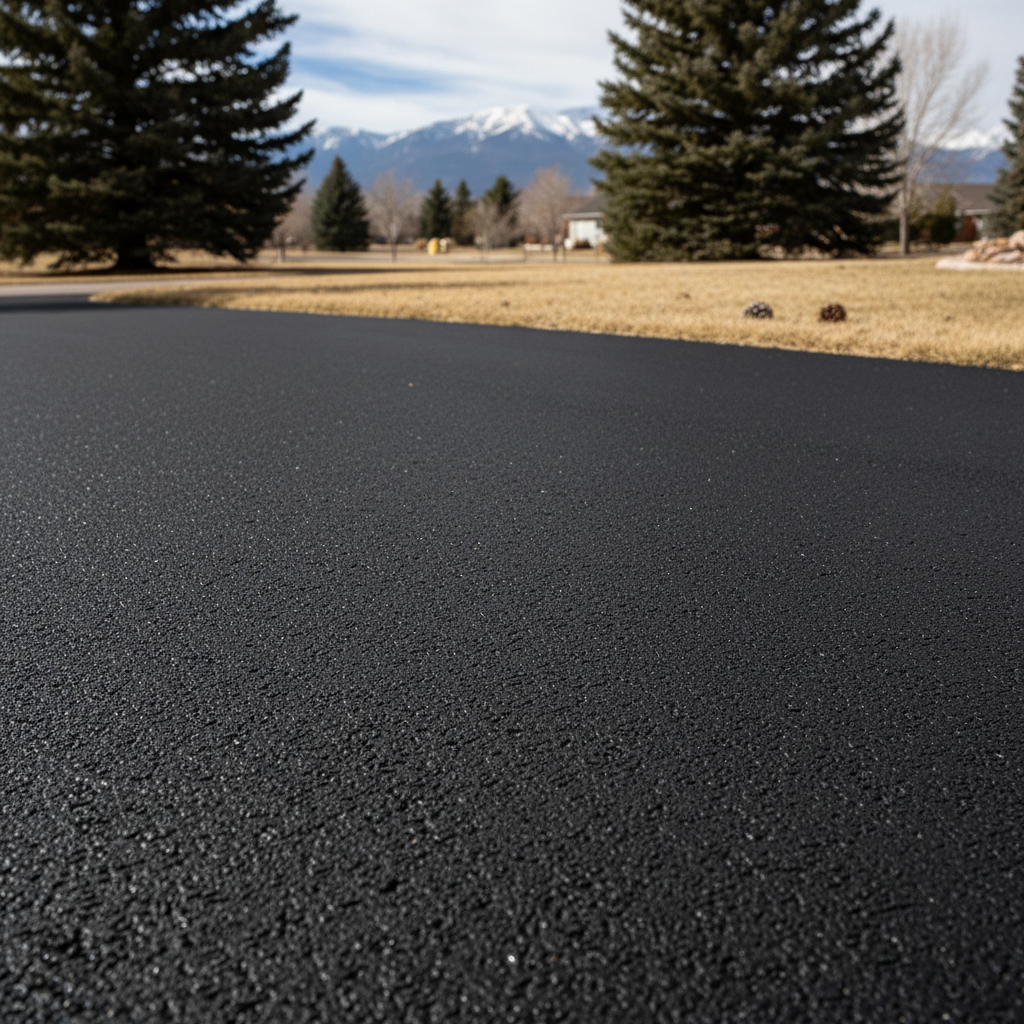
Alright, let's talk driveways. I get asked a lot of the same stuff by folks all over Aurora, whether they're in older neighborhoods like Hoffman Heights or newer spots out by Southlands. It makes sense; a driveway's a big investment, and you want to get it right. So, I figured I'd lay out some of the most common questions I hear and give you straight answers, no marketing fluff.
How long does a new asphalt driveway really last?
This is probably the number one question, and the honest answer is: it depends. A properly installed asphalt driveway, with good drainage and regular maintenance, should give you 15 to 20 years, sometimes even more. But 'properly installed' is key. That means a solid base – and around here in Aurora, with our expansive clay soils, that's even more critical. If the base isn't right, or if you skimp on thickness, you're looking at problems way sooner. Things like heavy vehicle traffic, extreme weather cycles (which we definitely get here in Colorado), and neglecting sealcoating can all shorten its life. Think of it like your car; if you never change the oil, it won't last as long.
What's the deal with driveway cracks? Are they always a big problem?
Cracks happen. It's just a fact of life with asphalt, especially with our freeze-thaw cycles here in Aurora. Small, hairline cracks? Usually not a huge deal if you catch them early. We can fill those, and it'll prevent water from getting underneath and causing bigger issues. But if you're seeing wide cracks, spiderwebbing (alligator cracking), or chunks of asphalt breaking away, that's a sign of a deeper problem. That usually means the base is failing, or the asphalt itself is just old and brittle. Ignoring those will lead to potholes and eventually, you'll need a full replacement. Don't wait until it looks like a jigsaw puzzle.
Can you just patch my driveway, or do I need a whole new one?
This is a judgment call we make on site. If you've got a few isolated potholes or some cracking in a small section, patching can definitely extend the life of your driveway. We'll cut out the bad section, prepare the base, and lay new asphalt. It's cost-effective. However, if the damage is widespread – say, more than 25-30% of the surface is failing, or if the entire driveway is showing signs of base failure with significant heaving or sinking – then patching is just throwing good money after bad. You'll end up with a patchwork quilt that still looks bad and will likely fail in other spots soon. At that point, a full remove and replace is the smarter, long-term solution. I'll always give you my honest opinion about which route makes the most sense for your wallet and your driveway's health.
How much does a new asphalt driveway cost?
Everyone wants a solid number, but it's tough without seeing the job. There are so many variables. Size is the obvious one – bigger driveways cost more. Then there's the existing condition: do we need to tear out an old concrete slab, or just an existing asphalt one? What's the sub-base like? Does it need significant grading or additional aggregate to build it up? And what about drainage? Do we need to install culverts or improve runoff? Generally, you're looking at costs per square foot, but that can vary widely. I always recommend getting a few quotes, but make sure they're quoting apples-to-apples. Aurora Asphalt & Paving will always give you a detailed breakdown so you know exactly what you're paying for.
How long does the paving process actually take?
For a typical residential driveway, the actual paving part usually takes one to two days. That includes removing the old material, grading the sub-base, laying down the new aggregate base, and then paving the asphalt. Now, that doesn't include the curing time. You can usually walk on it within a few hours, but you'll need to stay off it with vehicles for at least 24-72 hours, sometimes longer if it's a particularly hot day. We'll let you know the exact timeframe when we finish up. You don't want to drive on it too soon and create ruts or damage the fresh asphalt.
What about drainage? Is that something I need to worry about?
Absolutely, you need to worry about drainage. It's one of the most critical factors for driveway longevity. Water is asphalt's worst enemy. If water sits on your driveway, it'll penetrate the surface, soften the base, and lead to cracking and potholes. If it drains towards your house, you're looking at foundation problems. A good contractor will assess your property's grade and ensure the driveway is sloped correctly to direct water away from your home and off the pavement. Sometimes that means adding a small swale or a drain, but it's always worth the extra effort to protect your investment and your home.
Do I need to sealcoat my new asphalt driveway? How often?
Yes, you definitely should sealcoat your asphalt driveway. Think of sealcoating as sunscreen for your driveway. It protects the asphalt from UV rays, water penetration, and oil spills, which all break down the binder in the asphalt and make it brittle. For a new driveway, I usually recommend waiting about 6-12 months after installation to let the asphalt fully cure. After that, a good rule of thumb is to sealcoat every 2-3 years. If your driveway gets a lot of sun or heavy use, you might do it a bit more often. It's a relatively inexpensive maintenance step that can significantly extend the life of your driveway and keep it looking sharp.
What's the biggest mistake homeowners make with their driveways?
The biggest mistake I see is procrastination. Homeowners often wait until a small crack becomes a huge pothole, or until their driveway looks like a lunar landscape. By that point, what could have been a simple, affordable repair or a timely sealcoat turns into a full-blown, expensive replacement. Address issues early. If you see a crack, get it filled. If the surface is starting to look faded and dry, get it sealed. A little preventative maintenance goes a long way in saving you money and headaches down the road. Don't ignore the signs; your driveway is telling you it needs some attention.