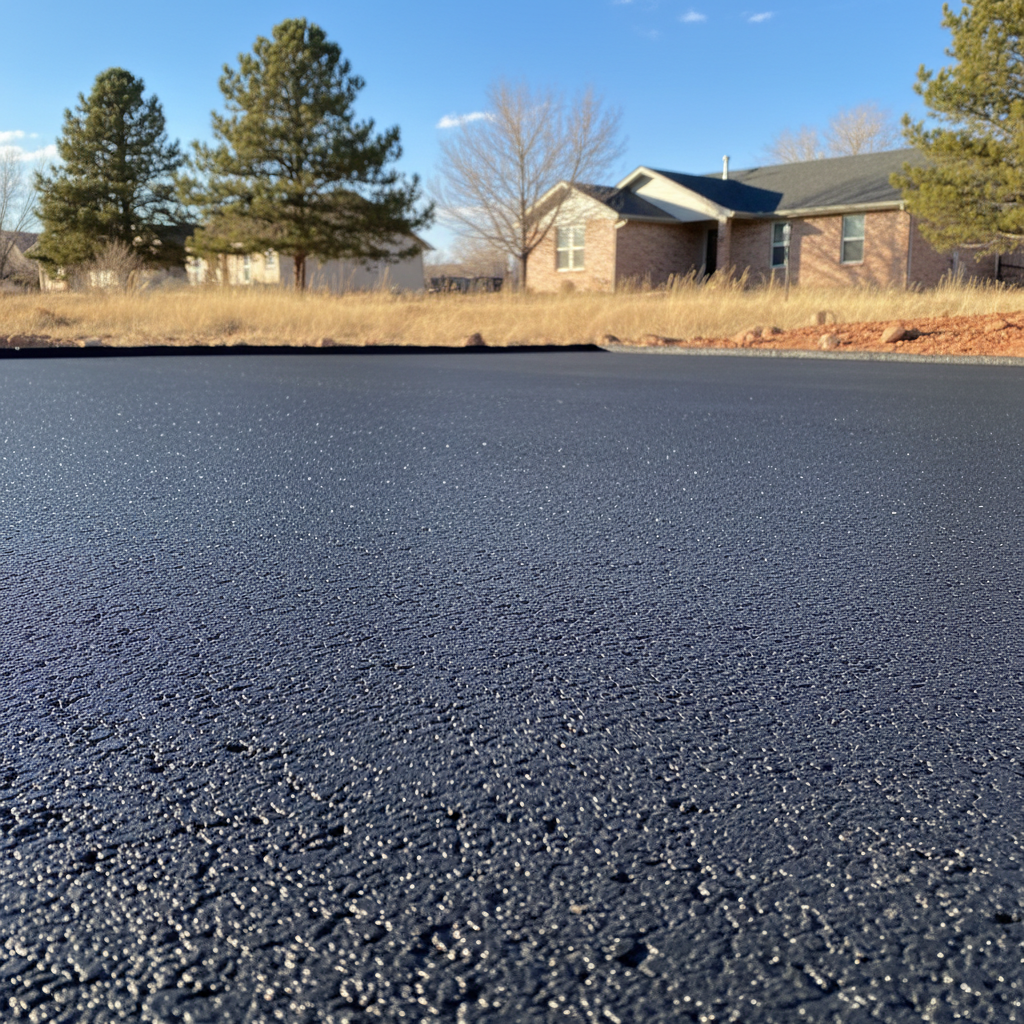
Alright, let's talk asphalt. I've been doing this a long time here in Aurora, and I've heard just about every question under the sun from homeowners. You're investing good money into your property, so you deserve straight answers, not some sales pitch. Forget the fancy jargon; I'm just going to lay out what you need to know about asphalt paving, based on what I've seen and done.
How long does a new asphalt driveway really last?
This is probably the most common question I get, and the answer isn't a simple number. A well-installed asphalt driveway in Aurora, if it's maintained properly, can easily last 20 to 30 years. I've seen some go even longer. But that's the kicker: 'well-installed' and 'maintained properly.' If your sub-base isn't prepped right, or if you skip sealcoating for years, you're cutting that lifespan way down. Think of it like your car; you don't just buy it and never change the oil, right? Same idea. Good drainage, solid base work, and regular sealcoating are your best friends here.
What's the deal with cracks? Are they normal, and when should I worry?
Cracks are, unfortunately, a fact of life with asphalt. It's a flexible material, and it's constantly expanding and contracting with our crazy Colorado weather. We get those huge temperature swings, especially in the spring and fall, and that puts a lot of stress on pavement. Small, hairline cracks? Usually not a big deal, especially in the first year or two. They're often just surface shrinkage. But if you start seeing cracks wider than a quarter-inch, or if they're forming patterns like 'alligator' cracking (lots of interconnected cracks), that's when you need to pay attention. Those indicate a deeper problem, usually with the base failing or water getting underneath. Catch them early, and they're often repairable with crack filling. Ignore them, and you're looking at bigger, more expensive fixes down the road.
Can I pave over my old concrete driveway?
You can, but I almost never recommend it. It's usually a shortcut that leads to problems. Concrete and asphalt behave differently. Concrete is rigid, asphalt is flexible. If you just lay asphalt over old concrete, any cracks or movement in the concrete below will eventually telegraph right through your new asphalt surface. You'll end up with cracks and an uneven driveway much faster than if you'd done it right. My advice? Rip out the old concrete, properly prepare the sub-base, and then lay new asphalt. It costs more upfront, sure, but you'll save yourself a ton of headaches and money in the long run. There are very rare exceptions, like if the concrete is perfectly sound and just needs a thin overlay for aesthetic reasons, but even then, I'd be cautious.
How thick does my asphalt need to be?
This depends on what you're using it for. For a typical residential driveway in Aurora that's just seeing cars and light trucks, you're generally looking at about 2-3 inches of compacted asphalt on top of a well-prepared, compacted aggregate base. The base is crucial, often 6-8 inches thick, sometimes more depending on the soil conditions. Here in Aurora, especially in some of the older neighborhoods with clay soils, we often have to do extra work on the sub-base to ensure stability. If you're going to have heavy RVs, delivery trucks, or anything heavier than a standard pickup, we'd need to go thicker on both the asphalt and the base. Don't let someone tell you a thin layer is fine; it'll just fall apart quickly.
What's the best time of year to get asphalt paving done in Aurora?
Hands down, spring, summer, and early fall are your best bets. Asphalt needs warm temperatures to cure properly. We're talking consistent daytime highs above 50 degrees Fahrenheit, ideally. Paving in colder weather means the asphalt cools too quickly, making it harder to compact properly, which leads to a weaker, less durable surface. You'll see more cracking and premature failure. Here at Aurora Asphalt & Paving, we really push for those warmer months. Trying to squeeze in a job in late November or early March is usually asking for trouble, even if the day feels mild. The ground temperature is still too cold.
How soon can I drive on my new asphalt driveway?
Patience is key here. While your new asphalt might look solid, it's still curing and hardening. I usually tell homeowners to wait at least 2-3 days before driving on it. For the first week or two, try to avoid parking heavy vehicles in the same spot for extended periods, especially on hot days. And definitely no sharp turns with the steering wheel while stationary – that's a surefire way to scuff or indent the fresh surface. Give it time to fully set up, and you'll get the most out of your investment.
Does my contractor need to be licensed and insured?
Absolutely, 100%, without question. This isn't just a good idea; it's essential. Any reputable contractor, like us at Aurora Asphalt & Paving, will be fully licensed and insured. Licensing means they've met certain professional standards. Insurance, especially liability and workers' comp, protects you. If a worker gets hurt on your property, or if there's damage to your home during the job, you don't want to be on the hook for it. Always ask for proof of both, and don't just take their word for it. A contractor who can't or won't provide that is a huge red flag, and you should walk away.