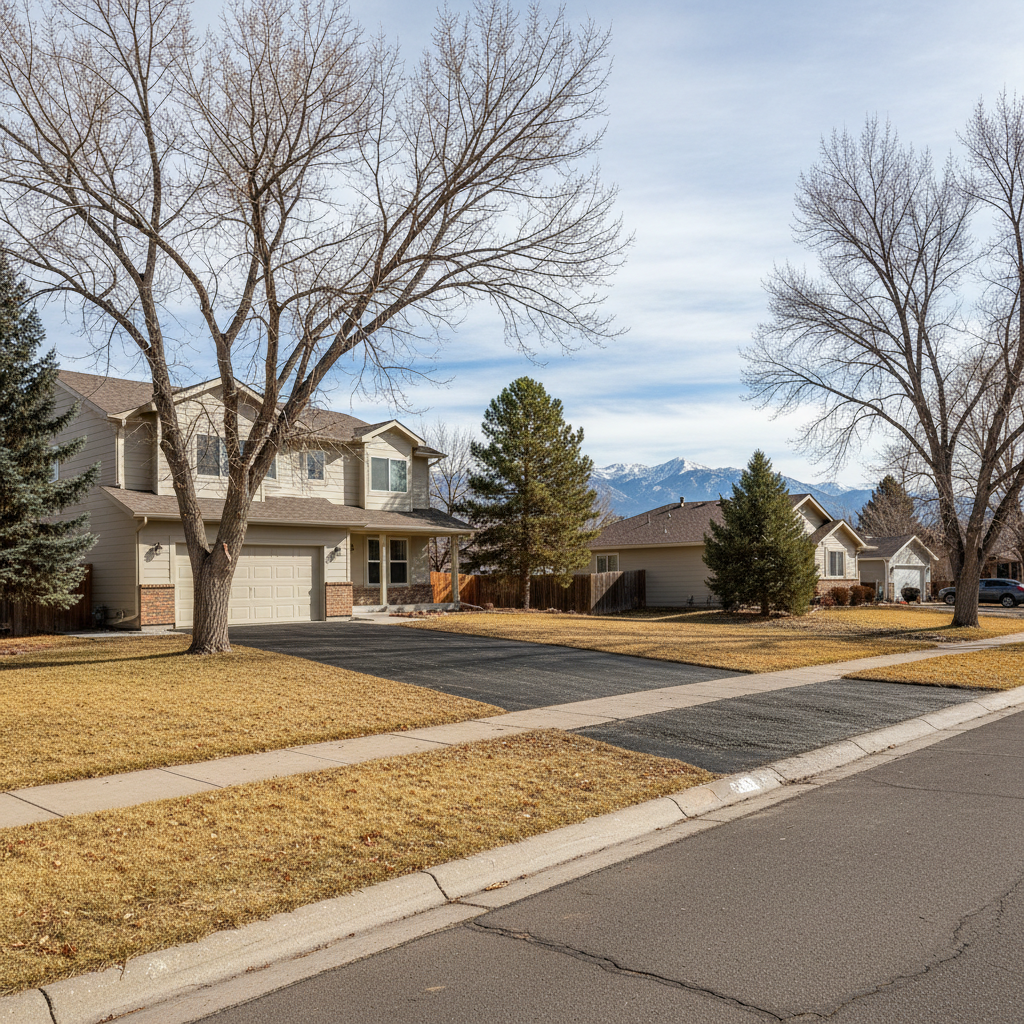
You're thinking about milling your asphalt driveway, and that's a smart decision. It's not just about making things look good; it's about fixing problems before they get out of hand and saving you money down the road. But here in Aurora, Colorado, our weather can be a real beast, and that means timing your asphalt milling project right is crucial. I've seen too many folks jump into it at the wrong time, and it just doesn't hold up as well. So, let's break down what you need to know.
When to Schedule Your Asphalt Milling Project
Honestly, the best time for asphalt milling in Aurora is typically late spring through early fall. Think May to October. Why? Because you need consistent, warmer temperatures for the best results. When we mill, we're essentially shaving off the top layer of your existing asphalt. This creates a fresh, stable surface for a new layer of asphalt to bind to. If it's too cold, that new asphalt won't cure properly, and you'll end up with a weaker surface that's more prone to cracking and deterioration.
I'd say aim for those months when the overnight lows are consistently above 40-50 degrees Fahrenheit. Our spring can be unpredictable, with those late snowfalls, so don't rush it. Once summer hits, we're usually good to go. Fall is also excellent, but you want to make sure the work is done and the new asphalt has had ample time to cure before those really cold snaps and heavy freezes start rolling in, usually by late November or early December.
Weather Conditions That Really Matter
Beyond just temperature, there are a couple of other weather factors that play a huge role in a successful milling job. First off, moisture. You absolutely don't want to mill on a wet surface. Rain, heavy dew, or even a recent snowmelt can saturate the existing asphalt, making it difficult for the milling machine to get a clean cut. It also complicates the adhesion of the new asphalt layer. We need a dry surface to ensure proper bonding and compaction. So, if there's rain in the forecast, we're probably rescheduling.
Wind can also be a factor, especially on very dusty days. While not as critical as temperature or moisture, high winds can make it tough to keep the work area clean and can blow around loose debris, which isn't ideal for a smooth finish. We're always keeping an eye on the forecast to make sure we're working under the best conditions for you.
Protecting Your Investment Year-Round
Once you've had your asphalt milled and a new layer put down, you've made a significant investment. Now, how do you protect it, especially with Aurora's crazy weather patterns? We get everything from scorching summer sun to heavy snow and ice, plus that intense freeze-thaw cycle that's brutal on pavement.
- Sealcoating is your best friend: About 6-12 months after your new asphalt is laid, you absolutely need to sealcoat it. This isn't just for looks; it creates a protective barrier against UV rays, water penetration, and chemicals like oil and gas. I recommend sealcoating every 2-3 years, depending on traffic and sun exposure. It's like sunscreen for your driveway.
- Address cracks early: Even with the best milling and paving, small cracks can appear over time, especially with our expansive clay soils around areas like Southlands or Green Valley Ranch. Don't ignore them. Fill them promptly. Water is asphalt's worst enemy. When it gets into cracks, freezes, and expands, it causes those cracks to grow into potholes.
- Keep it clean: Sweep off dirt, leaves, and debris regularly. This prevents organic matter from breaking down on the surface and causing issues. Also, clean up any oil or chemical spills right away.
- Snow removal smarts: When clearing snow, try to use a snowblower or a shovel with a plastic edge. Metal plows or shovels can scrape and damage your asphalt, especially if it's new. Avoid using rock salt directly on your asphalt, as it can accelerate deterioration. Sand or calcium chloride are better alternatives.
Taking these steps will help your milled and repaved asphalt last for years and years. It's all about being proactive, especially with the kind of weather we deal with here in Aurora. If you've got questions about your specific driveway or need a quote for milling, don't hesitate to give Aurora Asphalt & Paving a call. We're always happy to help our neighbors out.